
Every World Cup season brings its own atmosphere, emotions, and unforgettable moments. As someone who follows global football closely, I’ve always been drawn to the stories behind each team and how they shape the tournament’s drama. Among those stories, the journey of the Brazil national football team stands out the most, especially when explored through the insights and match discussions available on Crickex in Bangladesh. This guide reflects my personal experience observing Brazil’s evolution on football’s biggest stage.
Understanding the Brazil national football team in World Cup history
Following the Brazil national football team across several World Cups has felt like flipping through the pages of a living history book, each tournament revealing a different version of the same legendary team. My earliest memories involve hearing relatives describe the magic of Pelé, the flair of Zico, and the intensity of Romário. When I finally began watching the World Cup myself, I realized how deeply emotional this team’s identity is.
A legacy that shapes expectations
The Brazilian squad holds more World Cup titles than any other nation, and this achievement often acts as both a blessing and a burden. Every time they step onto the pitch, expectations soar. In my personal viewing experience, Brazil is the only team that feels required, not just encouraged, to play beautifully while winning. This dual responsibility has shaped how the world interacts with them.
Whenever I discuss upcoming matches or analysis with friends in Bangladesh, some of whom use Crickex for community insights and real-time sports discussions, I notice one recurring theme: “Brazil must entertain”. This expectation drives analysts to scrutinize them more closely than most teams.
My emotional take on their World Cup presence
Watching Brazil in a World Cup is an emotional experience before it becomes a technical one. The yellow shirts, the anthems sung with passion, and the global reaction to every moment create a shared atmosphere. Even neutral fans often shift toward supporting Brazil, simply because the team symbolizes a certain kind of pure football joy.
Yet, Brazil’s history also includes heartbreaks that have shaped my relationship with the team, like the 2014 semifinal, a match that felt surreal even as I watched it unfold. This range of emotions contributes to why analyzing the Brazilian squad never feels like a dry, numbers-only exercise.
Brazil national football team tactical overview
This section takes a deeper look at the tactical evolution I’ve observed from the Brazilian squad across different World Cups. Their strategy has not remained static. Instead, each era introduces new traits shaped by coaches, player generations, and global football trends.
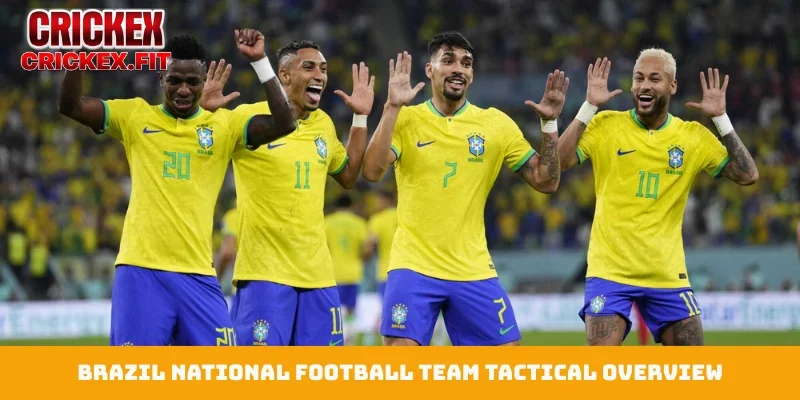
Brazil national football team tactical overview
The balance between creativity and structure
Historically, Brazil has been synonymous with free-flowing, expressive football. However, as modern tournaments evolved, I noticed an increasing attempt to balance flair with disciplined structure. When watching their recent World Cup matches, I could clearly see improved defensive organization, coordinated pressing, and more cautious possession play.
But the spark, what Brazilian fans call “ginga”,still appears in bursts. In my experience, the key to understanding Brazil’s tactics is recognizing that they are constantly trying to merge two identities: a traditional artistic style and the demands of contemporary football.
Role of key positions through my perspective
As someone who analyzes matches casually but passionately, here are the tactical elements that consistently stand out to me:
Wide attackers and creativity zones
Brazil’s wingers and attacking midfielders often act as creative suns around which the rest of the team orbits. Watching players cut inside, switch play, or attempt daring dribbles gives Brazil their unique football personality. Even when their overall structure becomes pragmatic, these wide creative zones remain alive.
Full-backs shifting identity
In older tournaments, Brazilian full-backs were practically additional attackers. But in more recent competitions, I’ve noticed a shift: their full-backs stay deeper or move narrower, adopting modern roles that prioritize stability. This is an interesting contrast to my early memories of Cafu and Roberto Carlos flying forward with unstoppable energy.
Defensive midfield reliability
One of the most important lessons I’ve learned while analyzing Brazil’s matches is how essential their defensive midfielders are. Without a stable anchor, the team’s attacking shape becomes vulnerable. Watching Brazil struggle in certain tournaments revealed this weakness clearly, while stronger performances often corresponded with elite holding midfield play.
Key Patterns in the World Cup Brazil national football team
In this portion of the analysis, I want to focus on recurring patterns that I’ve noticed across several tournaments. These insights come not from professional analytics software but from years of viewing, discussing, and revisiting matches with friends and fellow enthusiasts, including some discussions within the Crickex community in Bangladesh, where fans love dissecting tactical details.
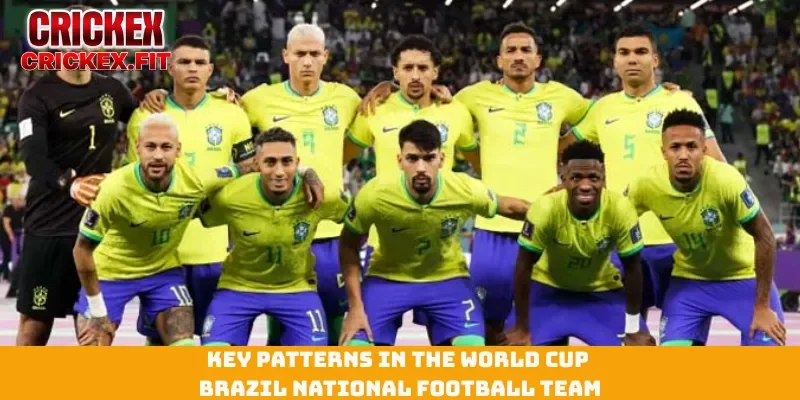
Key Patterns in the World Cup Brazil national football team
Pattern 1: Momentum defines their rhythm
Brazil is a team that thrives on emotional and tactical momentum. Whenever they score early, their confidence surges, and so does their creativity. Watching them chase a game feels very different: passes become rushed, movements lose fluidity, and pressure builds.
Pattern 2: Transition phases are decisive
Whether they are attacking or defending, Brazil’s transitions often determine match outcomes. When transitions are smooth, they overwhelm opponents with pace and skill. But when transitions become sloppy, especially defensively, they can be exposed quickly.
Pattern 3: Star-player influence varies
One fascinating aspect I’ve observed is how individual stars influence the entire team dynamic. Some stars, like Ronaldo or Kaká, elevated the team effortlessly. Others carried pressure that seemed to weigh down the squad. The Brazil national football team often reflects the emotional state of its star players more than other elite teams do.
The Brazilian squad insights on strengths and weaknesses
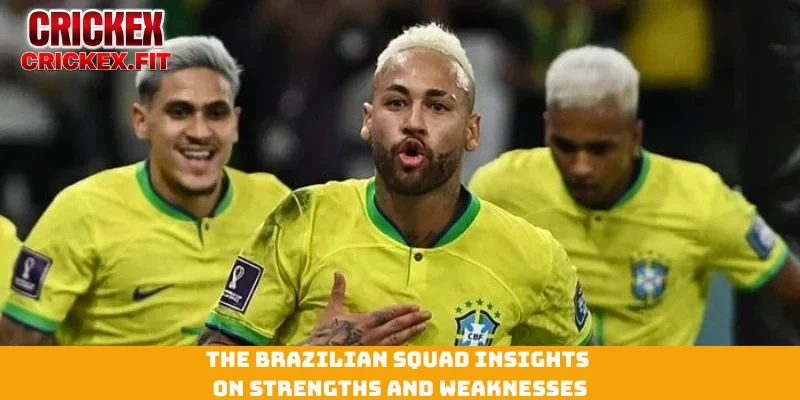
The Brazilian squad insights on strengths and weaknesses
Brazil national football team strengths overview
Technical excellence and improvisation
From my personal viewing experience, no other team matches Brazil when they enter that perfect state of improvisational creativity. It feels like watching jazz in football form, unpredictable yet beautifully coordinated.
Youth development pipeline
Brazil consistently produces young talents who play with a mix of confidence and boldness. Their transitions from youth levels to the senior team often appear seamless, contributing to World Cup depth.
Squad versatility
Another major strength I’ve noticed is how adaptable their squad tends to be. They can shift between tactical systems mid-match without losing identity.
Brazil national football team weaknesses in key tournaments
Inconsistent defensive concentration
Brazil’s biggest weakness, in my experience, often emerges during moments when discipline lapses. One mistake can shift the entire momentum of a match.
Pressure in crucial knockout moments
Historical patterns show that psychological pressure weighs heavily on Brazil. Even as a viewer, I feel the tension through the screen during knockout rounds.
Overreliance on star players
If their main attacking star becomes injured or isolated tactically, Brazil sometimes struggles to maintain its rhythm.
A personal reflection on the Brazil national football team’s future
As I look toward future tournaments, my feelings about Brazil intertwine excitement with cautious optimism. The modern game demands balance: creativity, physicality, discipline, and emotional intelligence. Brazil possesses all of these elements but must unify them consistently.
Discussing upcoming tournaments with friends in Bangladesh, some of whom keep close watch through Crickex’s sports discussion spaces, I’ve noticed that enthusiasm for Brazil remains incredibly strong. There is an expectation that the next World Cup could mark a new era, especially with the rise of another generation of dynamic attackers and more tactically aware midfielders.
What I personally hope to see is a return to joyful football that doesn’t abandon modern structure. A team that wins with intelligence and entertains with elegance.
Conclusion about the Brazil national football team
The journey of the Brazil national football team in the World Cup highlights a rich blend of tradition, tactical evolution, and global influence. From their historical triumphs to their modern adjustments, the team continues to shape football’s biggest stage with both creativity and complexity. This guide has explored their strengths, weaknesses, strategic patterns, and the factors that define their unique presence in each tournament.
For deeper insights, real-time discussions, and updated analysis, I personally follow the community on Crickex in Bangladesh. It’s where I stay informed, exchange perspectives, and refine my understanding of major teams like Brazil. If you want to experience football analysis the way I do, you can explore Crickex as your go-to platform for staying connected and informed, give it a try and see how it elevates your World Cup experience.
Ready for the Next Level? Access all our in-depth Sports Tips and Guides now!

 Bangladesh vs India Football Team – Live Match, Results, Lineups & Fan Experience
  Bangladesh Vs Singapore Football Match – Watch Live Today
  Argentina National Football Team: Latest News And Match Updates
  Football Crickex Review: Winning Tips from Real Experience
  Crickex Esports Review: The Hottest Esports Games Online in Bangladesh And India